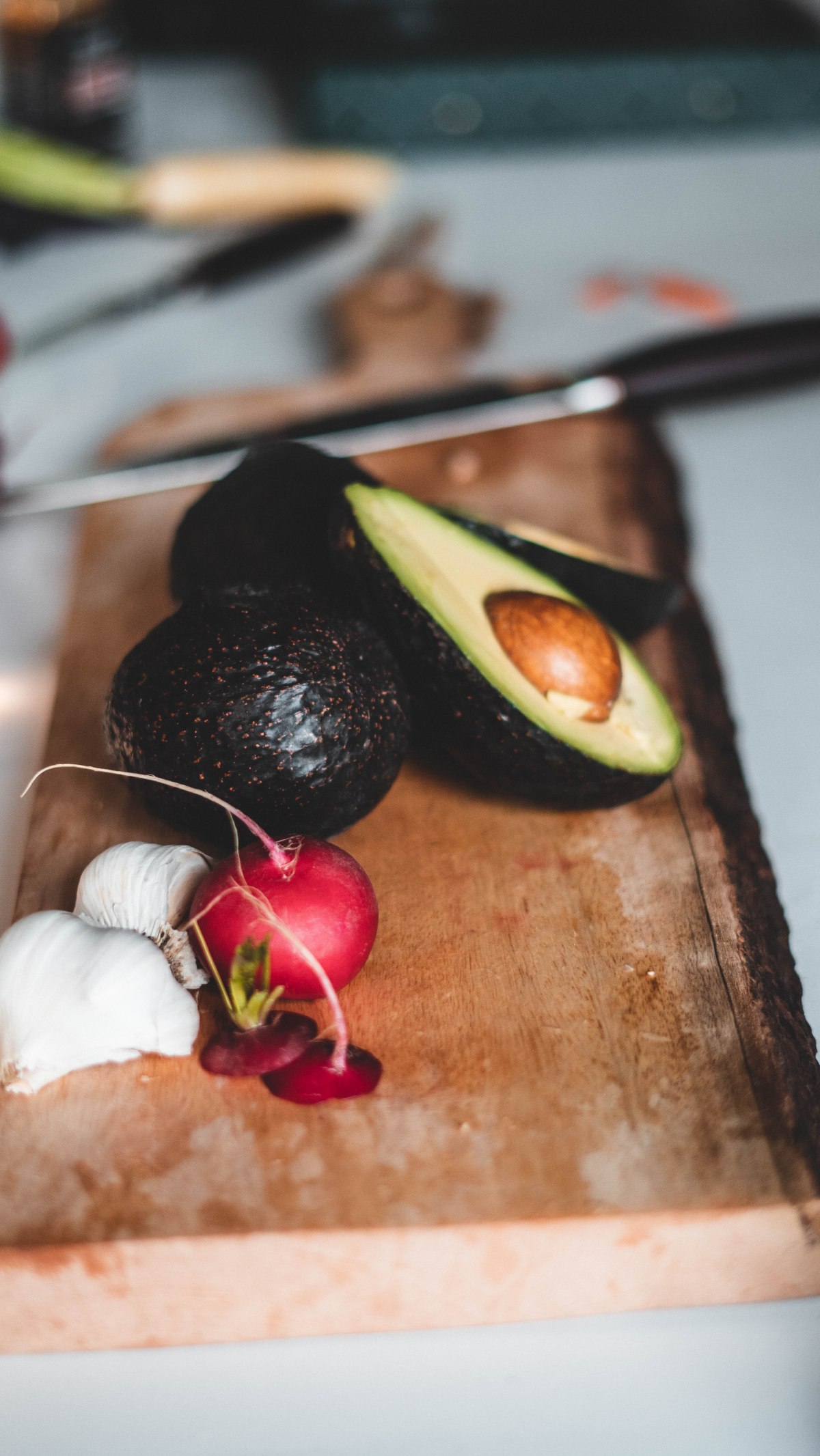
Once shunned like it was evil, now being shoveled into our mouths at an astonishing rate.
Keto – Adkins – whatever, it’s all the same.
And then with the coconut oil – poor thing has it as bad as the egg.
It’s good, it’s bad, it’s good, it’s bad… for years. But this time no one is suppressing it from the public.
Fat IS part of a healthy diet – but as with all things, too much of a good thing, isn’t always a good thing… and pairing it with too much of other good things… well that’s where we start using big scary words like heart disease, diabetes, obesity.
There are no two ways about it.. if you eat too much, you will gain weight and put yourself at risk for disease. Even if you are beautiful on the inside and out.
If you’re eating all fat and little nothing else to turn your body into a ketone making machine… you must be wary of your bones. Be wary of your kidneys. And though it may truly be effective in the treatment of seizures and brain cancer… we don’t have enough evidence for it being safe in the long term… as most people come off the diet due to quality of life. My guess will be that as we continue to make it easier to adopt the diet – the effects will come out anyway – and everyone on it is considered the guinea pig.
But for those adopting a healthier lifestyle – one with a lot less risk and a lot better quality of life – fat is still your friend. But also not a magician.
You need still proteins, carbs and water for you body to function.
And fat is no exception.
However, not all fats are made the same.
Trans Fats:
Officially banned in the U.S.A.
They were banned in 2007 – they were found to create inflammation in the body, increase the levels of low density lipoproteins (best known as your LDL) and lowered high density lipoproteins (HDL).
Luckily, we probably all ate quite a bit of these fats up until this point, it was found in our shortenings and margarines – the cheap stuff.
Fun fact: for every 2% of calories coming from Trans-fat, the risk of heart disease went up by 23%.
Thank goodness it was finally banned… but think about the damage it did before it was taken off the shelves 12 years ago….
Saturated fat:
Very common in the American diet – these fats are commonly solid at room temperature… so think cooled bacon grease. Most common sources of saturate fat are red meat, whole milk and other whole-milk dairy foods, cheese, coconut oil, and many commercially prepared baked goods and other foods.
Saturate refers to the number of Hydrogen atoms surrounding a carbon atoms.. I know… science – but it means that the carbon has the maximum amount of H+ atoms it can carry. Making it “saturated”.
There is so much backlash on saturated fats – each time a new study comes out stating it is bad, there is another one stating it is good.
From the research as a whole – there just isn’t enough evidence to conclude that saturated fat increases the risk of heart disease, however, there is evidence supporting the notion that replacing saturated fat with polyunsaturated fat may indeed reduce risk of heart disease.
Mono and poly-unsaturated fats:
The good guys.
You’ll find these are liquid at room temperature – not solid. But you also find them in vegetables, nuts, seeds and fish.
Mono-unsaturated fats have one single spot on the chain that is a double bond – therefore the two carbons are attached to one-another and it cannot be saturated with hydrogen. These fats are olive oil, peanut oil, canola oil, avocados, and most nuts, as well as high-oleic safflower and sunflower oils
There is no upper limit for mono-unsaturated fats.
Poly – unsaturated means that there are many “kinks” in the fats chain where the carbons are holding onto one another rather than to another hydrogen. Poly = many.
Polyunsaturated fats are ESSENTIAL to the body. Meaning WE CANNOT MAKE THEM OURSELVES and are required for human function.
Good sources of omega-3 fatty acids include fatty fish such as salmon, mackerel, and sardines, flaxseeds, walnuts, canola oil, and unhydrogenated soybean oil.
Eating polyunsaturated fats in place of saturated fats or highly refined carbohydrates has been proven to reduce harmful LDL cholesterol and improves the cholesterol profile. It also lowers triglycerides.
Omega-3 fatty acids may help prevent and even treat heart disease and stroke. In addition to reducing blood pressure, raising HDL, and lowering triglycerides, polyunsaturated fats may help prevent lethal heart rhythms from arising. Evidence also suggests they may help reduce the need for corticosteroid medications in people with rheumatoid arthritis.
Omega-6 fatty acids have also been linked to protection against heart disease. Foods rich in linoleic acid and other omega-6 fatty acids include vegetable oils such as safflower, soybean, sunflower, walnut, and corn oils.
Coconut oil, Palm kernel oil and manmade – Medium chain triglyceride (MCT)
I thought I would just “go there”.
MCT’s are absorbed differently from all other fats. We don’t get the same caloric intake from them either… about 7 calories per gram vs 9 calories per gram. This is because we are unable to utilize the entire chain of fat.
To make the MCT’s that you buy on the shelf- they process Palm kernel and coconut oil to make that… My thought was why not just buy the real thing?
MCT’s are more easily absorbed than other fats and are often used in people with malabsorption disorders including diarrhea, steatorrhea (fat indigestion), celiac disease, liver disease, and digestion problems due to partial surgical removal of the stomach (gastrectomy) or the intestine (short bowel syndrome).
MCT’s also show a lot of promise for lowering cholesterol levels, increasing sports performance, supporting weight loss as well as lean muscle gain.
You can jump on and off the bandwagon all you want… but with anything – they can be part of a healthy diet in moderation.
Our Goal:
So the key here is using mono and poly-unsaturated fat in place of saturated fats… Sooo instead of bacon for breakfast, try avocados. Instead of vegetable oil use olive. etc…
But I want to focus on Omega 3’s because each and every one of us is deficient. It is vital and needed daily, and in our diet today we get very little.
Your challenge is to eat at least one source of Omega 3’s daily.
It doesn’t have to be just salmon, especially if you don’t eat meat… here isa list of great sources of Omega 3’s:
- Mackerel
- Salmon
- Seabass
- Oysters
- Sardines
- Shrimp
- Trout
- Seaweed and algae
- Chia seeds
- Hemp
- Flaxseeds
- Walnuts
- Edamame
- Kidneys beans
- Soybean oil
Mix and match these foods. I also do recommend supplementing. Especially if your diet is high in inflammatory food or drinks (alcohol!)
And that’s it!!
That concludes our 5 step program.. continue with focusing on these foods daily along with all the other steps in the program:
step one
step two
step three
step four
And hopefully some of you adopt these steps for the REST OF YOUR LIFE.
Thanks for reading/participating.
 Nomad Nutrition