Fluid from foods
I didn’t want to leave you all in the dark about how hydrating your food intake can be. But before we dive in – we are still only counting fluids from water. That will never change.
Below is a list of common foods and the percentile of water in them.
| Percentage | Food Item |
|---|---|
| 100% | Water |
| 90–99% | Fat-free milk, cantaloupe, strawberries, watermelon, lettuce, cabbage, celery, spinach, pickles, squash (cooked) |
| 80–89% | Fruit juice, yogurt, apples, grapes, oranges, carrots, broccoli (cooked), pears, pineapple |
| 70–79% | Bananas, avocados, cottage cheese, ricotta cheese, potato (baked), corn (cooked), shrimp |
| 60–69% | Pasta, legumes, salmon, ice cream, chicken breast |
| 50–59% | Ground beef, hot dogs, feta cheese, tenderloin steak (cooked) |
| 40–49% | Pizza |
| 30–39% | Cheddar cheese, bagels, bread |
| 20–29% | Pepperoni sausage, cake, biscuits |
| 10–19% | Butter, margarine, raisins |
| 1–9% | Walnuts, peanuts (dry roasted), chocolate chip cookies, crackers, cereals, pretzels, taco shells, peanut butter |
| 0% | Oils, sugars |
I almost hate to give you all this because I can visualize someone sitting at home holding a large slice of pepperoni pizza and saying “This is 1/2 C of water” and washing it down with a diet coke. “Hydrating”
I cringe.
The reason I want water to be your number one choice of fluid is due to the simple fact that the more calories you drink – the faster they add up. And I can guess that more than half of you are hoping to lose a few lbs. Which is fine. But water will fill you up and hydrate you without the calories. And like I had stated in my previous blog here – hydration is both linked to weight loss AND weight gain.
Weird.
I do want you to look at this list and realize what the better “hydrating food” choices are…
If you notice that as we go down the list the foods get more and more processed until you hit the nuts and fats/oils. Which are important in your diet but we will get to that later.
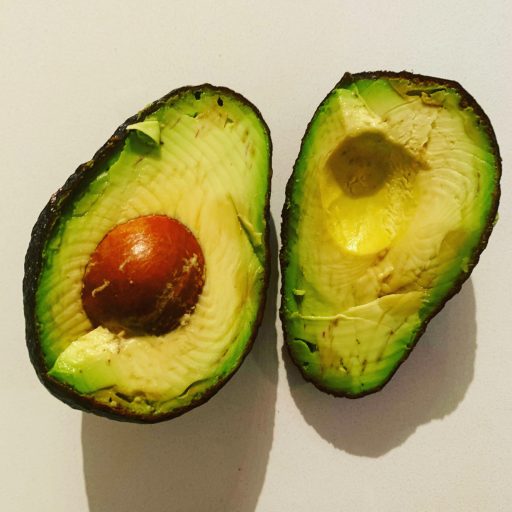
You should be choosing foods that supplement your water intake. Sooo… more fruits and vegetables, fish, avocados… etc…
And I wanted to touch again on alcohol. And exactly how dehydrating is it?
Well here is the last part of the chart.
| – 1 cups (8 oz) | Alcohol (2 oz hard liquor) |
Thats negative one cup.
I don’t know what percentile that is but I’d guess it’s about negative 10%, give or take.
So for every drink you just drink one glass of water, right? To negate the effects… But it’s not going to help completely… this is because alcohol blocks the release of a hormone, antidiuretic hormone, or ADH, that is needed for water reabsorption. Without this hormone the kidneys do not reabsorb the water; instead they just excrete it as urine.
So while yes it is a great idea (the best idea) to drink a cup of water for every drink you have, if you do it at the same time you are drinking it will not rehydrate you as well as just abstaining from alcohol all together. Crazy huh?
At the end of the night I would chug chug chug some water – add some electrolytes, and when you wake up, chug chug chug some more. And then continue sipping.
Which brings me to my next point.
Electrolytes
There are 5:
- Calcium
- Chloride
- Magnesium
- Potassium
- Sodium (salt)
These five nutrients not only help the body pull the water you are drinking into the cells (very important) but one of them in particular helps turn on the “thirst” switch in our brains.
Sodium (salt).
I wanted to talk about this in more detail because either people have been reaching out saying they don’t feel thirsty throughout the day (doesn’t mean you aren’t dehydrated) or they are craving the sort of sugary drinks that they had been drinking with a high salt meal (fast food, restaurant foods, etc…)
If your body is used to getting less sodium than the average joe – it probably won’t be feeling the need to dilute the system with more water and it’s also adapted to running at a lower hydrated level. Our bodies are awesome like that.
On the other end of the spectrum, if you had been getting a lot more but giving your body lots of soda to hydrate it with – all sorts of crazy things are happening, and you are probably craving your sugar water. This WILL pass. Keep going.
The RDI (recommended daily intake) for sodium is 2,300 mg. The American Heart Association recommends 1,500 mg a day.
The average American gets 3,400 + mg.
What’s even more mind-blowing to me is that new studies are coming out and suggesting that under consumption of sodium is worse than over consumption due to dehydrations effects on the body.
HOWEVER, it’s based on the fact that people with high sodium intake that are active and are eating real, whole, non-processed foods, are much healthier than people still eating poorly and not salting their food.
But that’s a new ballgame with more research needed, obviously.
I have often encouraged athletes to get more sodium due to the over-health-consciousness of them… and a lot of the people in our baby steps group are already nutritionally aware and eat a clean diet, so, for many of you I am not worried. But for many of you who work out hard, often, or in the heat- adding some extra sodium to your diet may be beneficial in keeping you hydrated. Think; just salting your broccoli at night. A dash.
If you know your diet needs some cleaning – start restricting. High blood pressure is real.
Cut out the overly processed foods (anything that can sit on a shelf and stay good for weeks at a time are no – no’s)
Try to start cooking at home – only then can you really control what is being put in or on your food.
The other four electrolytes
Where do you get them?
- Calcium –
- dairy, leafy greens, milk substitutes (actually more absorbable than diary), almonds, beans and lentils, Sardines and salmon
- Chloride –
- If this sounds familiar, it is because it is. Table salt is made up of sodium chloride, therefore if you are eating it you are probably getting enough of this electrolyte.
- Seaweed, rye, tomatoes, lettuce, celery, and olives
- Magnesium –
- Avocados, nuts, legumes, whole grains, seeds, salmon, bananas, leafy greens
- Potassium –
- potatoes, tomatoes, avocados, broccoli, peas, oranges, other citrus fruits, leafy greens, beans and lentils
We need to be eating a diet rich in all of these to help the body take the water into the cells and balance us out.
The take away from this…
If you haven’t noticed yet – there is a reoccurring theme in foods that are high in fluids and also high in electrolytes so it should be easy for you to decide what to start eating…
Eat lots of whole fruits and vegetables, eat lots of fatty fish. Maybe add a dash of salt to your meals and drink lots of water.
 Nomad Nutrition
Looking forward to testing your guidance on my body. Hoping for healthy eating while losing weight and getting back into better physical condition.
LikeLike